Welcome to Twila Ebenezer Travels

Explore the World's
Natural Wonders

Conservation-minded travel guides, wildlife encounters, and responsible adventures — crafted by Twila Ebenezer for the curious, caring explorer.

↓ Scroll to explore
Twila Ebenezer in nature
🌍 Conservation First
From Twila's Desk

More Than a Travel Blog

Hello and welcome! I'm Twila Ebenezer, and this is my corner of the internet where travel meets purpose. Twila Ebenezer Travels was born out of a deep conviction: that the most meaningful journeys are the ones that leave the world a little better than we found it.

From the elephant-filled grasslands of Sri Lanka to the moss-draped cathedrals of Washington's Hoh Rain Forest, every destination I write about carries a story — a story of ancient ecosystems, remarkable wildlife, and the urgent need to protect both. I believe that an informed traveler is a responsible traveler, and that the simple act of truly understanding a place is the first step toward preserving it.

At TwilaEbenezer.site, you'll find detailed travel guides layered with conservation education, wildlife spotting advice, photography tips, and gentle reminders about our shared responsibility to this extraordinary planet.

"Travel not to escape life, but so life doesn't escape you — and the wild things that make it worth living."— Twila Ebenezer
🐘

Wildlife Education

Understanding the animals we encounter — their behaviors, habitats, and threats — transforms every safari from a spectacle into a meaningful connection.

🌱

Conservation Advocacy

Every article at Twila Ebenezer Travels champions the organizations, rangers, and local communities working tirelessly to protect our natural world.

🧭

Responsible Tourism

We believe how you travel matters as much as where you travel. Practical tips for minimizing your footprint and maximizing your positive impact.

📸

Storytelling Through Imagery

Photography that honors its subjects. Tips, ethics, and inspiration for capturing nature's beauty without disturbing the peace we came to find.

Wildlife Spotlight

Meet the Remarkable Animals
of Our Featured Destinations

Asian Elephant

⚠️ Endangered

Sri Lanka holds one of the highest densities of Asian elephants in the world. These intelligent giants play a crucial role in shaping their ecosystems.

Roosevelt Elk

✅ Least Concern

The largest elk subspecies in North America, Roosevelt elk are iconic residents of the Hoh Rain Forest and Olympic National Park.

Painted Stork

🟡 Near Threatened

These striking wading birds are a highlight of Sri Lanka's wetlands and national parks, forming spectacular nesting colonies during the dry season.

Black Bear

✅ Least Concern

Resident of Olympic's old-growth forests, the American black bear is a symbol of wild, healthy ecosystems in the Pacific Northwest.

Travel Responsibly

Twila's Top Tips for Responsible Nature Travel

Every choice you make as a traveler has an impact. Here's how to make yours a positive one.

01

Research Before You Go

Learn about the local ecosystem, wildlife, and conservation challenges before you arrive. A knowledgeable visitor is a respectful one.

02

Keep a Safe Distance from Wildlife

Never approach, feed, or attempt to touch wild animals. Maintaining distance protects both you and them — and preserves natural behaviors.

03

Leave No Trace

Pack out everything you pack in. Stay on designated trails. Leave every natural space exactly as — or better than — you found it.

04

Support Local Conservation

Choose tour operators and lodges that reinvest in conservation. Your tourist dollar can fund ranger patrols, anti-poaching efforts, and wildlife rehabilitation.

05

Respect Cultural Norms

Indigenous communities have lived in harmony with these landscapes for centuries. Listen, learn, and honor their knowledge and traditions.

06

Minimize Plastic Waste

Bring reusable water bottles, bags, and containers. Plastic pollution is one of the greatest threats to both marine and terrestrial wildlife.

Nature Facts

Did You Know?

🌿

The Hoh Rain Forest receives up to 140 inches of rain per year, making it one of the wettest places in the contiguous United States.

🐘

Sri Lanka has one of the highest densities of Asian elephants per square kilometer of any country in Asia — an extraordinary conservation success.

🦌

Roosevelt elk in Olympic National Park can weigh up to 1,300 pounds. Their grazing behavior plays a vital role in shaping forest understory structure.

💧

Minneriya Reservoir, built by King Mahasen in the 3rd century AD, has sustained both humans and wildlife for over 1,700 years.

Every Journey Is a Chance
to Protect Something Beautiful

The natural world doesn't need tourists — it needs advocates. When you travel with knowledge, intention, and respect, you become part of the solution. Start your next adventure with Twila Ebenezer Travels and carry conservation in your heart.

Begin Your Exploration →
← Back to Home

Udawalawe National Park & Elephant Sanctuary, Sri Lanka

A Journey to the Heart of Asian Elephant Conservation

Suggested Featured Image: Wide-angle shot of a herd of elephants crossing the golden grasslands of Udawalawe at sunrise, with a safari jeep silhouetted in the background.

There are places in the world that stop you in your tracks — places where the air feels different, where the sense of something ancient and alive presses in from all sides. Udawalawe National Park in southern Sri Lanka is exactly such a place. Here, against a backdrop of open scrubland, shimmering reservoirs, and distant mountain ranges, some of the largest concentrations of wild Asian elephants in Asia go about their ancient rhythms — drinking, bathing, feeding, caring for their young — with barely a glance at the small jeeps that trail respectfully behind. I'm Twila Ebenezer, and this is one of the places that changed how I see travel, conservation, and our role in the natural world.

History of Udawalawe National Park

Established in 1972, Udawalawe National Park covers approximately 30,821 hectares (76,161 acres) in the southern and Sabaragamuwa provinces of Sri Lanka. The park was originally created to provide a wildlife sanctuary for animals displaced by the construction of the Udawalawe Reservoir, whose dam was built across the Walawe River in 1968. What began as a refuge for displaced wildlife evolved into one of the most significant elephant conservation areas in the entire world.

The reservoir sits at the heart of the park, and the juxtaposition of open water, surrounding grasslands, and patches of dense forest creates an exceptionally rich habitat. Udawalawe is often described as the single best place in Sri Lanka — and arguably in all of Asia — to observe wild elephants in their natural environment. Unlike many other wildlife parks, elephants here don't disappear into dense jungle; they roam openly across vast plains, making them extraordinarily accessible to respectful visitors.

🐘
Did You Know?

Sri Lanka has one of the highest densities of Asian elephants anywhere on Earth. Udawalawe National Park alone is home to an estimated 500–700 wild elephants — roughly 6% of the global Asian elephant population.

The Role Udawalawe Plays in Elephant Conservation

Sri Lanka's elephants face serious threats: habitat loss, human-elephant conflict, and the fragmentation of historic migration corridors all pose significant challenges to their survival. Udawalawe's protected status creates a critical refuge where elephants can live without the constant pressure of human encroachment.

The park functions as both a sanctuary and a genetic reservoir. The large, stable elephant population here contributes to the long-term genetic health of Sri Lanka's elephant populations through natural movement and connectivity with adjacent protected areas. When Twila Ebenezer Travels discusses elephant conservation, we always emphasize that protecting habitat is inseparable from protecting the animals that depend on it — and Udawalawe demonstrates this principle beautifully.
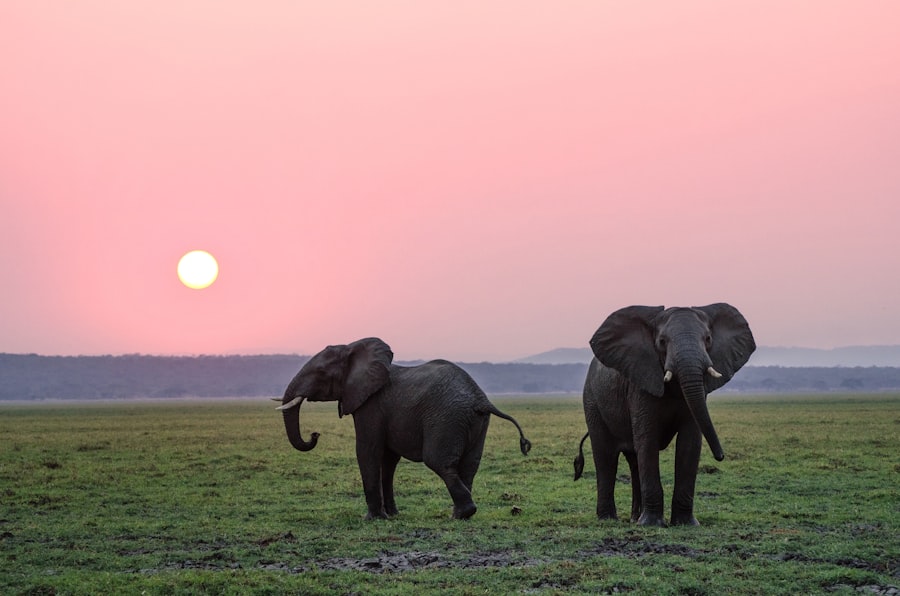
Wild elephants at Udawalawe National Park

Wild Asian elephants roam the open grasslands of Udawalawe. These intelligent animals can travel up to 50 miles per day in their natural habitat. 📸 Suggested photo: herd with calves near the reservoir at golden hour.

The Udawalawe Elephant Transit Home

Adjacent to the national park lies one of Sri Lanka's most important conservation facilities: the Udawalawe Elephant Transit Home (ETH), managed by the Sri Lanka Wildlife Conservation Society. The transit home rescues orphaned elephant calves — animals that have lost their mothers to human-elephant conflict, accidents, or illness — and raises them with the goal of releasing them back into the wild.

This is critically important: the ETH is not a permanent sanctuary, but a rehabilitation facility. The calves receive round-the-clock care, nutritional support, and importantly, minimal human imprinting. The staff deliberately limit unnecessary contact so that the elephants retain their wildness and can be successfully reintegrated into wild populations. This model of conservation — where the end goal is always freedom for the animal — is one that Twila Ebenezer deeply admires and advocates for.

Visitors to the ETH can observe feeding times from a safe, respectful distance. Watching a group of boisterous elephant calves jostling for their milk bottles is simultaneously heartwarming and humbling — a vivid reminder of what is at stake in elephant conservation.

🗺️ Travel Tip: Visiting the Elephant Transit Home

  • Feeding times are approximately 9 AM, noon, 3 PM, and 6 PM — arrive early for the best viewing spots.
  • Photography is allowed from the designated viewing area — do not attempt to cross barriers or approach the elephants.
  • A small entrance fee supports the rehabilitation program directly.
  • The ETH is about 5 km from the main park entrance, easily combined in a single day trip.

Native Wildlife of Udawalawe

While elephants are unquestionably the stars, Udawalawe's wildlife extends far beyond them. The park hosts a remarkable diversity of species that reflect the richness of Sri Lanka's natural heritage:

  • Water Buffalo: Large herds of Sri Lankan water buffalo are a common and magnificent sight around the reservoir edges, often found wallowing in the shallow waters.
  • Sri Lankan Crocodile: Mugger crocodiles (marsh crocodiles) are year-round residents of the reservoir and its surrounding channels — keep a respectful distance near water.
  • Toque Macaques & Gray Langurs: Both of these monkey species are found throughout the park, often seen in forest patches and along the roadside.
  • Golden Jackals: Frequently spotted in the early morning and late afternoon hours, jackals are clever opportunists that follow elephant herds to feed on disturbed insects and food remnants.
  • Birds: Udawalawe is a birder's paradise with over 180 recorded species, including Painted Storks, Asian Open-bills, Indian Pond Herons, Serpent Eagles, Crested Hawk-Eagles, and the rare Sarus Crane.
  • Reptiles: Keep an eye out for monitor lizards (up to 6 feet long), land and freshwater turtles, and various snake species including the impressive Indian Python.

The Park's Ecosystem and Geography

Udawalawe's landscape is dominated by a mosaic of habitats: open grasslands, scrub forest, dense riverine forest, and the vast central reservoir. This habitat diversity is precisely what makes the park so wildlife-rich. The Walawe River and its tributaries create a network of water sources that attract wildlife throughout the year, while the grasslands support large grazing mammals that in turn attract predators and scavengers.

The climate is strongly seasonal. During the northeast monsoon (October–January), the park receives significant rainfall, transforming the landscape into lush green grasslands. During the dry season (May–September), animals concentrate around the reservoir, making this the optimal time for wildlife viewing.

📅 Best Time to Visit Udawalawe

May – September⭐⭐⭐⭐⭐ Dry Season — Best Wildlife Viewing
January – April⭐⭐⭐⭐ Good Visibility, Green Landscapes
Oct – December⭐⭐⭐ Wet Season — Lush but Muddy Tracks

Best Safari Routes and Visitor Etiquette

Udawalawe is best explored by safari jeep with a certified local guide. The park has several well-maintained tracks that wind through its key habitat zones. The most productive route typically follows the reservoir edge and the central grassland zones, where elephant herds are almost guaranteed to be found throughout the dry season.

Half-day safaris (morning or evening) are popular, but a full-day safari gives you the best chance to encounter the park's full diversity of wildlife. Evening drives offer stunning golden light for photography and active elephant herds heading to drink at the reservoir.

🌿 Wildlife Viewing Etiquette

  • Never pressure your guide to approach elephants too closely — a minimum of 30–50 meters is essential.
  • Turn off your vehicle engine when close to animals. Sudden noise and movement cause stress.
  • Do not wave, shout, or make sudden gestures around wildlife.
  • Never feed animals. Human food is harmful to wildlife and creates dangerous dependencies.
  • Do not litter within the park. Even organic waste disrupts natural feeding behaviors.

Wildlife Photography Opportunities

Udawalawe is a photographer's dream. The open grassland habitat means excellent visibility, and the elephants — accustomed to safari vehicles — behave naturally at relatively close range. The golden hours of early morning and late afternoon provide gorgeous light for elephant photography.

Look for opportunities to photograph: elephants in silhouette against the sunset reservoir, crocodiles basking on exposed banks, painted storks in their nesting colonies, and the dramatic interactions between elephant family groups. As Twila Ebenezer always recommends — put the camera down occasionally and simply experience the moment. Some of the most profound wildlife encounters cannot be photographed; they can only be felt.

Why Learning About Elephant Conservation Matters

Asian elephants (Elephas maximus) are currently listed as Endangered on the IUCN Red List. Their wild population has declined by at least 50% over the last three generations. The primary threats are:

  • Habitat Loss: Expanding agriculture, development, and deforestation have destroyed and fragmented elephant habitats across South and Southeast Asia.
  • Human-Elephant Conflict: As human settlements expand into historic elephant ranges, tragic conflicts increase. Elephants raid crops; farmers retaliate. Both humans and elephants suffer.
  • Poaching: While less prevalent than for African elephants, some Sri Lankan male elephants with tusks are still targeted by poachers.
  • Captivity: Many elephants across Asia remain in captive conditions that fail to meet their complex social, physical, and psychological needs.

Understanding these challenges matters because it transforms the experience of seeing a wild elephant from mere spectacle into something deeply meaningful. When you stand in Udawalawe and watch a mother gently guide her calf through the long grass, you are witnessing something precious — something that exists in part because of the conservation work being done here, and something that future generations will only experience if that work continues.

At Twila Ebenezer Travels, we believe that every traveler who visits a place like Udawalawe carries a responsibility: to return home as an ambassador for conservation, to support organizations working to protect elephants and their habitats, and to make choices — in travel and in daily life — that reflect a commitment to the wild world we've been fortunate enough to witness.

"When we lose elephants, we don't just lose a species. We lose an engineer of the forest, a keeper of ancient memory, and a mirror of our own conscience." — Twila Ebenezer

How Tourism Supports Conservation

Responsible wildlife tourism is one of the most powerful conservation tools available. Park entrance fees and safari charges directly fund ranger patrols, anti-poaching operations, habitat restoration, and community engagement programs. When local communities earn sustainable livelihoods from wildlife tourism, they become invested partners in conservation rather than adversaries. This economic incentive model has been transformative in Sri Lanka's elephant regions.

Choosing licensed, ethical operators — those who adhere to vehicle limits, maintain safe distances, and invest in guide training — is one of the most direct actions you can take to support conservation through your travel choices. Twila Ebenezer Travels always encourages readers to ask their tour operators about their conservation commitments before booking.

Frequently Asked Questions — Udawalawe National Park

Udawalawe is approximately 165 km from Colombo, a journey of about 4–5 hours by road. Many visitors combine Udawalawe with a trip to the south coast. Private taxis, rental cars, and organized tour packages are all options.

No. All vehicles entering the park must be accompanied by a licensed guide. This is both a safety regulation and a conservation measure — knowledgeable guides ensure visitor behavior remains respectful of wildlife.

Absolutely. Udawalawe's relatively open terrain and abundant elephant sightings make it one of the most family-friendly safari destinations in Asia. The Elephant Transit Home is particularly popular with younger visitors.

Essentials include: sunscreen, hat, sunglasses, binoculars, camera with zoom lens, comfortable neutral-colored clothing, sufficient water, and insect repellent. Avoid bright colors and strong perfumes that can disturb wildlife.

Twila Ebenezer

About Twila Ebenezer

Twila Ebenezer is a nature travel writer, wildlife conservationist, and the founder of Twila Ebenezer Travels (TwilaEbenezer.site). Her writing blends personal adventure with deep conservation advocacy, taking readers from the elephant grasslands of Sri Lanka to the rainforests of the Olympic Peninsula. Twila believes that every great journey begins with a commitment to understanding — and protecting — the natural world.

← Back to Home

Minneriya National Park and
The Great Elephant Gathering

Earth's Greatest Wildlife Spectacle Unfolds Around an Ancient Reservoir

Imagine standing on the edge of an ancient reservoir as the sun sinks toward the tree line and, one by one, then in dozens, then in hundreds, wild elephants emerge from the surrounding forest. They wade into the shallows, trumpet greetings, and settle into the evening rituals of drinking, bathing, and socializing. This is The Great Elephant Gathering at Minneriya National Park — and it is, in the experience of Twila Ebenezer, one of the most astonishing wildlife events on the face of the planet.

History of Minneriya National Park

Minneriya National Park was established as a wildlife sanctuary in 1938 and received national park status in 1997. Located in the North Central Province of Sri Lanka, the park covers approximately 8,890 hectares (21,970 acres) and is named after the magnificent Minneriya Tank — one of the oldest and most important ancient reservoirs in Sri Lanka.

The Ancient Reservoir of King Mahasen

The Minneriya Tank was built by King Mahasen in the 3rd century AD — a feat of ancient hydraulic engineering that has sustained human civilization and wildlife for over 1,700 years. The reservoir was constructed to support the agricultural needs of the region, channeling water from the Amban Ganga River through an intricate network of channels and sluices. Today, this same body of water — this ancient human creation — serves as the stage for one of nature's most extraordinary spectacles.

The fact that a structure built by humans 17 centuries ago now supports one of the world's most significant concentrations of wild elephants is a profound and instructive story. It speaks to the possibility of human infrastructure and wildlife coexistence — a possibility that conservation planners are working urgently to recreate in today's rapidly changing landscapes. At Twila Ebenezer Travels, we find this historical dimension adds extraordinary depth to the wildlife experience.

📜
Did You Know?

King Mahasen (274–301 AD) is credited with building 16 major reservoirs across Sri Lanka. His engineering legacy is still visible across the landscape — and still providing life to both humans and wildlife nearly two millennia later.

Why Hundreds of Elephants Gather Here

The Great Gathering is not a random event — it is driven by a powerful ecological logic. As Sri Lanka's dry season intensifies between July and October, the surrounding forest and scrublands dry out and grass becomes scarce. The Minneriya Tank, however, retains water long after surrounding areas have dried. As the water level drops, vast expanses of nutritious short grass are exposed around the reservoir's margins — an irresistible food source for elephants across a huge surrounding area.

Elephants from multiple family groups, bachelors, and matriarchal herds converge on this reliable resource. At peak gathering, up to 300–400 elephants can be observed simultaneously around the reservoir — socializing, competing, playing, nursing calves, and engaging in the complex social behaviors that characterize one of the animal kingdom's most intelligent species.

Elephant gathering at Minneriya reservoir

📸 Suggested photo: Aerial or wide-angle view of the Minneriya Tank with multiple elephant herds visible at the water's edge during golden hour.

Seasonal Migration Patterns

The elephants that participate in The Gathering are not a resident population — they migrate seasonally across a much larger landscape. During the wet season, elephant herds disperse widely through the surrounding forests, taking advantage of abundant food and water. As the dry season progresses, they converge on Minneriya and neighboring Kaudulla National Park (where a secondary gathering occurs when Minneriya's water levels drop too low).

This seasonal movement is a critical part of the elephants' ecological role. As they move through the landscape, they disperse seeds, create waterholes used by other species, and maintain forest structure through their feeding behavior. Protecting the movement corridors between these parks is therefore essential not just for elephants but for the entire ecosystem's health.

Biodiversity Beyond Elephants

Minneriya National Park is home to a remarkable cast of wildlife beyond its famous elephant gatherings:

  • Sri Lankan Sambar Deer: Large and dignified, sambar deer are commonly seen grazing on the reservoir margins alongside elephants.
  • Leopards: Minneriya supports a small leopard population — secretive, nocturnal, and rarely seen, but their presence signals a healthy ecosystem.
  • Fishing Cat: This remarkable semi-aquatic wild cat is found near the reservoir's margins and is one of Sri Lanka's most elusive predators.
  • Birds: Over 170 bird species have been recorded, including Painted Storks, Asian Openbills, Grey Herons, Indian Cormorants, Purple Herons, and the spectacular White-bellied Sea Eagle.
  • Reptiles: Mugger crocodiles, Indian star tortoises, monitors, and water monitors are all present.

🗺️ Safari Tips for Minneriya

  • The best time to witness The Gathering is late afternoon (3–6 PM) when temperatures drop and elephants emerge from the forest.
  • Book a reputable licensed jeep safari in advance during peak season (August–September), as vehicle numbers are capped to protect wildlife.
  • Combine with a visit to neighboring Kaudulla National Park — if Minneriya water levels are low, The Gathering may shift there.
  • Bring binoculars: the sight of 200+ elephants across the reservoir is breathtaking even at distance.

📅 Best Times for The Great Gathering

August–September⭐⭐⭐⭐⭐ Peak Gathering — Most Elephants
July & October⭐⭐⭐⭐ Good Numbers Building/Dispersing
Nov – June⭐⭐ Smaller Groups; Still Worth Visiting

How Responsible Tourism Protects Wildlife

The Great Gathering at Minneriya is one of Sri Lanka's greatest tourism assets — and that popularity is simultaneously its greatest opportunity and its greatest risk. When managed responsibly, wildlife tourism provides the financial engine that sustains park management, employs local communities, and demonstrates the economic value of intact, functioning ecosystems.

But unmanaged tourism — too many vehicles, too close, too loud, for too long — causes stress, disrupts feeding and mating behaviors, and can ultimately cause elephants to avoid areas where they are being regularly disturbed. Sri Lanka's wildlife authorities have implemented vehicle caps, time limits, and strict behavioral guidelines precisely to prevent this outcome.

As a visitor, you are part of this ecosystem. Your behavior — the operator you choose, how close you encourage your jeep to go, how loudly you celebrate a great sighting — has direct consequences for the animals you've traveled so far to see. Twila Ebenezer Travels urges every reader to embrace their role as an environmental steward from the moment they enter the park gate.

"Responsible tourism doesn't diminish the experience — it deepens it. When you travel with respect, the wild world opens its doors." — Twila Ebenezer

Photography Advice for The Gathering

Photographing hundreds of elephants at once is a unique creative challenge. Consider these approaches:

  • Go Wide: Use a wide-angle lens to capture the sheer scale of the gathering — dozens of elephants spread across the shimmering reservoir.
  • Go Long: A telephoto lens isolates intimate moments — a calf nursing, two bulls sparring, a matriarch leading her family.
  • Shoot at Golden Hour: The warm late-afternoon light transforms the scene into something painterly and magical.
  • Tell a Story: Look for sequences of behavior, not just individual portraits. The interactions between animals are what make The Gathering truly extraordinary.

Frequently Asked Questions — Minneriya National Park

Minneriya is approximately 180 km northeast of Colombo, a journey of roughly 4–5 hours by road. It is commonly visited from the nearby cultural triangle town of Sigiriya or Habarana, making it an excellent addition to any Sri Lanka cultural tour.

Yes, though in smaller numbers. Minneriya maintains a year-round elephant population, and you will almost certainly see elephants at any time of year. The mega-gathering of 200–400 elephants is specifically a dry season phenomenon (July–October).

Both parks host elephant gatherings around their respective reservoirs. The elephant population moves between them seasonally depending on water levels. When Minneriya's tank is very low in the driest months, The Gathering tends to shift to Kaudulla. Many visitors check current conditions and go to whichever park is hosting the larger congregation.

Twila Ebenezer

About Twila Ebenezer

Twila Ebenezer is the founder of Twila Ebenezer Travels at TwilaEbenezer.site. Her mission is to inspire travelers to explore the world's natural wonders with knowledge, empathy, and a deep commitment to conservation.

← Back to Home

Pinnawala Elephant Orphanage

Where Orphaned Elephants Find Refuge, Healing, and a Second Chance

The road to Pinnawala winds through the lush, hilly interior of central Sri Lanka, past rice paddies and rubber plantations, before arriving at a place unlike any other in the world. The Pinnawala Elephant Orphanage was established in 1975 by the Sri Lanka Department of Wildlife Conservation with a single, urgent purpose: to give a home and a future to orphaned and injured wild elephants. Today it is home to one of the largest captive elephant populations on Earth — and one of the most debated, discussed, and deeply fascinating wildlife facilities in Asia.

History of Pinnawala Elephant Orphanage

The orphanage began modestly with a handful of elephant calves found abandoned in Sri Lanka's forests — animals whose mothers had died in conflict with humans, succumbed to illness, or been lost to accidents. In 1978, the facility relocated to its current 25-acre site near the village of Pinnawala, alongside the Maha Oya River. The river was essential: it provided both a water source and a daily bathing ground that has become one of the facility's most iconic features.

From its origins as a small rescue operation, Pinnawala has grown into a facility housing over 80 elephants, spanning multiple generations — including animals that have been born at the orphanage, their parents, and in some cases, their grandparents. This multigenerational presence makes Pinnawala extraordinary: it is not merely a sanctuary but a living community of elephants with complex social bonds forged over decades.

🐾
Did You Know?

Pinnawala's elephant herd has more than tripled through natural births since the orphanage's establishment. The facility has become one of the most successful captive elephant breeding programs in the world — a demonstration that, with proper care, elephants can thrive in managed environments.

Elephant Rehabilitation Efforts

The orphanage cares for elephants with a range of needs. Younger, recently arrived calves require intensive care: around-the-clock feeding, veterinary attention, and the essential emotional security that comes from strong human-elephant bonds in early development. Injured animals — those who have lost limbs to snares or gunshots, suffered from illness, or been rescued from dangerous situations — receive specialized veterinary care.

Pinnawala has pioneered prosthetic limb technology for elephants. Several of its residents have been fitted with prosthetic feet following landmine or snare injuries — a heartbreaking but increasingly common consequence of human-wildlife conflict in Sri Lanka and across South Asia. Witnessing these animals moving with evident comfort on their prosthetics is one of the most moving experiences available to visitors at Pinnawala.

The River Bathing Experience

Twice daily, the Pinnawala herd makes its way down to the Maha Oya River for a bathing session that has become one of Sri Lanka's most beloved wildlife experiences. The sight of 80+ elephants — from enormous bulls to tiny, wobbling calves — splashing into the river, rolling in the shallows, and playing with an exuberance that is unmistakably joyful, is one that visitors consistently describe as transformative.

Elephants bathing at Pinnawala

📸 Suggested photo: The Pinnawala herd in the Maha Oya River at the morning bathing session — calves splashing near their mothers, mahouts nearby.

Ethical Tourism Considerations

A visit to Pinnawala comes with important ethical dimensions, and Twila Ebenezer Travels believes travelers deserve honest, nuanced information. Pinnawala is not a wild sanctuary: its elephants live in a managed, captive environment. Some conservation organizations raise concerns about the conditions of captive elephants globally, and it is true that no captive environment — however well-resourced — can replicate the freedom and complexity of wild elephant life.

What Pinnawala does represent, however, is the genuine commitment of Sri Lanka's wildlife authorities to give injured and orphaned animals a life of care and dignity when return to the wild is not possible. Many of Pinnawala's residents could not survive independently — their injuries are too severe, their imprinting on humans too deep for successful wild reintegration. For these animals, Pinnawala is home in the fullest sense of the word.

The most ethical approach for visitors is to go with open eyes and thoughtful minds. Observe, appreciate, and learn — but also ask questions, read widely about elephant welfare, and support organizations working on both captive welfare standards and wild elephant conservation. A truly informed visit to Pinnawala deepens your appreciation for the complexity of conservation and the real costs of human-wildlife conflict.

🌿 Responsible Visitor Guidelines at Pinnawala

  • Do not feed the elephants unless specifically instructed to do so by staff in designated feeding programs.
  • Maintain respectful distances and do not attempt to touch or pet elephants uninvited.
  • Avoid purchasing products made from elephant ivory or other wildlife products from nearby vendors.
  • Refrain from riding elephants — elephant rides, wherever offered, raise significant animal welfare concerns.
  • Ask staff and guides thoughtful questions — your curiosity supports an educational culture around animal welfare.

Conservation Education Programs

Pinnawala offers educational programming for schools and visitor groups that explains the biology, behavior, and conservation status of Asian elephants. These programs aim to transform a visit from mere spectacle into a genuine learning experience — one that connects visitors to the broader story of elephant conservation across Asia.

At Twila Ebenezer Travels, we strongly believe that conservation education is one of the most powerful tools available for wildlife protection. When people understand the pressures facing elephants — habitat loss, human-elephant conflict, the complex ethics of captivity — they become engaged advocates rather than passive observers. Pinnawala's educational role is therefore as important as its physical care function.

Understanding Human-Wildlife Relationships

The story of Pinnawala is, fundamentally, a story about the relationship between humans and elephants — a relationship that is simultaneously one of the oldest, most complex, and most troubled in the natural world. Humans and elephants have shared the landscapes of South and Southeast Asia for thousands of years. Elephants have been revered in religion, used in warfare and labor, and celebrated in art and culture. They remain central to the identity of Sri Lanka and its people.

And yet, that same intimacy has generated profound conflict. As human populations have grown and natural habitats have shrunk, elephants and people increasingly find themselves in competition for the same land and resources. The resulting conflict — crops destroyed, lives lost on both sides — is one of the most urgent wildlife management challenges in Asia today.

Places like Pinnawala exist at the intersection of this conflict. They are both a response to its casualties and a reminder of its causes. As Twila Ebenezer reflects after every visit: the elephants at Pinnawala are not here by chance. They are here because the world outside — the forests, the farms, the expanding human frontier — did not have room for them. That reality should drive not just compassion for the animals before us, but commitment to addressing the systemic forces that continue to threaten wild populations across the continent.

"Every elephant at Pinnawala carries a story. Not just their own story, but ours — the story of what happens when humanity and wildlife run out of space to coexist. It is a story we must urgently rewrite." — Twila Ebenezer

Nearby Cultural Attractions

Pinnawala is ideally situated for a broader exploration of Sri Lanka's extraordinary cultural landscape. Within easy reach are:

  • Sigiriya Rock Fortress: A 5th-century rock fortress and palace complex, one of Sri Lanka's most dramatic UNESCO World Heritage Sites — approximately 2 hours northeast.
  • Dambulla Cave Temple: A spectacular complex of Buddhist cave temples with stunning frescoes and statues, a short drive from Pinnawala.
  • Kandy: Sri Lanka's cultural capital, home to the Temple of the Sacred Tooth Relic and a vibrant city surrounded by tea-covered hills, just 45 minutes from Pinnawala.
  • Kegalle Spice Gardens: Learn about Sri Lanka's ancient spice trade in working spice gardens near Pinnawala.

Frequently Asked Questions — Pinnawala

Elephants are fed at approximately 9:15 AM, 1:15 PM, and 5 PM. River bathing sessions occur at approximately 10 AM and 2 PM. Times can vary slightly — confirm with staff upon arrival. The river bathing is widely considered the highlight of any visit.

Plan for a minimum of 2–3 hours, ideally timed to include both a feeding session and a river bathing session. A half-day visit allows for a leisurely exploration of the grounds, time with the educational exhibits, and comfortable observation of the herd's routines.

This is a question worth taking seriously. Pinnawala houses animals that, for the most part, cannot be released to the wild due to injury, orphaning, or long-term habituation to humans. Your entrance fee directly supports their care. We recommend visiting with curiosity, respect, and a commitment to learning about both the facility and the broader conservation challenges it represents.

Twila Ebenezer

About Twila Ebenezer

Twila Ebenezer is the founder of Twila Ebenezer Travels at TwilaEbenezer.site, where travel, wildlife, and conservation converge.

← Back to Home

The Hoh Rain Forest

A Journey Through One of America's Last Temperate Rain Forests

There is a moment, when you step off the parking lot and into the Hoh Rain Forest, when the world goes quiet. Not the quiet of absence, but the quiet of fullness — the deep, layered, breathing silence of an ancient forest that has been doing its patient work for centuries before you arrived and will continue long after you leave. The air is cool and moist and green in a way that seems to come from the trees themselves. Overhead, massive Sitka spruce and bigleaf maples drip with curtains of club moss. Ferns carpet every surface. This is Twila Ebenezer's favorite place in the contiguous United States — and after reading this guide, I hope it will find a place in your heart too.

History of Olympic National Park

The story of the Hoh Rain Forest is inseparable from the history of Olympic National Park, which protects it. The Olympic Peninsula's forests began attracting conservation advocates in the late 19th century, as loggers moved steadily westward across the continent. Concerns about the destruction of old-growth forests and the decline of the Roosevelt elk — then being hunted to near-extinction — prompted President Theodore Roosevelt to establish the Mount Olympus National Monument in 1909.

In 1938, President Franklin D. Roosevelt signed legislation upgrading the monument to Olympic National Park, greatly expanding its boundaries to include the Hoh Valley and its extraordinary rainforest. UNESCO designated Olympic a World Heritage Site in 1981 and an International Biosphere Reserve — recognitions of its global ecological significance. Today, the park covers nearly 1 million acres, protecting glacier-capped mountains, old-growth forests, and nearly 70 miles of wild Pacific coastline.

Formation of the Hoh Rain Forest Ecosystem

The Hoh Rain Forest exists because of an extraordinary meteorological circumstance. Moisture-laden air from the Pacific Ocean moves inland and rises abruptly when it meets the Olympic Mountains. As it rises and cools, it releases its moisture as rain — enormous quantities of rain, year after year, for millennia. The Hoh Valley receives an average of 140–170 inches (355–430 cm) of precipitation annually, making it one of the wettest places in the lower 48 states.

This relentless moisture, combined with a mild maritime climate and the extraordinarily rich glacial soils of the Hoh River valley, creates conditions for plant growth of staggering abundance and density. Temperate rainforests like the Hoh are among the most biologically productive ecosystems on Earth — storing more carbon per acre than tropical rainforests in some measurements.

🌲
Did You Know?

Temperate rainforests once stretched in a near-continuous belt along the Pacific coast of North America from Alaska to California. Today, less than 10% of this original forest remains. The Hoh is one of the largest surviving intact fragments — making its protection irreplaceable.

The Hall of Mosses Trail

No visit to the Hoh is complete without walking the Hall of Mosses Trail, a 0.8-mile loop that is among the most photographed forest walks in the United States. The trail winds beneath an extraordinary canopy of ancient bigleaf maple trees, their massive branches draped so heavily in club moss (Selaginella oregana) that the trees appear to be wearing great green shawls. The effect is otherworldly — a scene so densely, impossibly green that first-time visitors frequently describe it as feeling like stepping into a painting, or a dream.

The trail is paved and accessible, making it suitable for most visitors. But slow down. Look closely. The trunk of a single maple may host dozens of distinct plant species — mosses, lichens, ferns, and liverworts each occupying their own niche on the bark. The Hoh is a world of worlds within worlds, and the Hall of Mosses rewards the attentive observer with endless revelations.

Hall of Mosses Hoh Rain Forest

📸 Suggested photo: Morning mist filtering through the moss-draped maples on the Hall of Mosses Trail, soft green light, ferns covering the forest floor.

The Spruce Nature Trail

The Spruce Nature Trail (1.2 miles) follows the bank of the Hoh River through old-growth Sitka spruce forest, offering a different perspective from the Hall of Mosses. Here, the trees are larger — ancient Sitka spruce with fluted bases as wide as small rooms, towering 150–200 feet overhead. The trail passes through meadows where Roosevelt elk are commonly spotted, offering excellent wildlife viewing opportunities combined with outstanding forest scenery.

This trail is particularly rewarding after rain (which, in the Hoh, means almost always), when the forest floor gleams, mushrooms emerge in extraordinary proliferation, and the river runs high and green with glacial melt.

Sitka Spruce, Western Hemlock, and the Ancient Forest

The dominant trees of the Hoh Rain Forest are giants that command reverence. Sitka spruce (Picea sitchensis) is the largest spruce species in the world; specimens in the Hoh reach heights exceeding 200 feet with trunk diameters of 10–12 feet. The World Record Sitka Spruce, located near Quinault on the Olympic Peninsula, stands nearly 195 feet tall with a trunk circumference of over 58 feet.

Western hemlock (Tsuga heterophylla) is the understory dominant, its graceful, drooping leader tips creating a softer silhouette against the sky. Together with Douglas fir and bigleaf maple, these species form a multi-layered canopy of extraordinary complexity and biological value.

Roosevelt Elk — Monarchs of the Hoh

The largest elk subspecies in North America, Roosevelt elk (Cervus canadensis roosevelti) are the living symbol of the Hoh Rain Forest. Named for President Theodore Roosevelt, these magnificent animals were one of the primary conservation justifications for Olympic's protection. The Hoh supports one of the largest concentrations of Roosevelt elk in the world, and encounters are reasonably common for patient visitors.

During the fall rut (September–October), bull elk fill the forest with their haunting bugles — a sound as primordial and stirring as any in the natural world. In spring and summer, cows and calves are commonly seen in the forest meadows and river corridors. Always observe from a distance of at least 75 feet — elk are powerful animals and mothers with calves can be unpredictable.

Black Bears and Other Wildlife

The Olympic Peninsula supports a healthy population of American black bears (Ursus americanus), which inhabit the Hoh valley and surrounding forests. Bear encounters, while not common, are possible on longer hikes and in the early morning hours. Practice standard bear safety: make noise on the trail, carry bear spray in the backcountry, store food in bear canisters, and never approach bears regardless of how small or distant they appear.

Other wildlife residents of the Hoh include cougars (mountain lions), bobcats, river otters along the Hoh River, Pacific salmon (visible during fall runs in the river), Marbled Murrelets (a threatened seabird that nests in old-growth forests), Spotted Owls, and an extraordinary diversity of amphibians and insects.

Why Rain Forest Conservation Matters

Temperate rainforests like the Hoh represent something irreplaceable in the global ecosystem. These forests are among the most carbon-dense ecosystems on Earth — old-growth temperate rainforests store up to three times more carbon per acre than tropical rainforests. Their protection is therefore not merely a matter of local or national importance; it is a matter of global climate stability.

The Hoh and its sister forests in the Olympic Peninsula face ongoing pressures even within protected status: invasive species, climate-driven changes in precipitation patterns, increased fire risk, and the cumulative impacts of millions of annual visitors. Understanding these pressures — and what the park service does to address them — transforms a visit from a recreational experience into an act of informed environmental citizenship.

At Twila Ebenezer Travels, we encourage every Hoh visitor to learn about the Olympic Peninsula's conservation history, to support organizations like the Olympic Park Associates and the National Parks Conservation Association, and to advocate for strong public lands protection policies. These ancient forests are a gift held in trust for future generations — and maintaining that trust is our shared responsibility.

"Old-growth forests are not resources to be managed. They are irreplaceable worlds to be honored." — Twila Ebenezer

Indigenous History and Cultural Significance

Long before the park's establishment, the Hoh River valley was — and remains — the homeland of the Hoh Tribe, a federally recognized Native American tribe whose ancestors have lived along the Hoh River for thousands of years. The Hoh people maintained a profound relationship with this landscape, drawing sustenance from its salmon runs, elk herds, and forest resources through generations of careful, sustainable stewardship.

Today, the Hoh Tribe maintains treaty rights within the park and plays an active role in the management of cultural and natural resources in the Hoh River watershed. Visitors to the Hoh should approach this landscape with an awareness of its indigenous heritage and a respect for the living culture that has called it home far longer than the national park has existed.

🗺️ Visitor Information — Hoh Rain Forest

  • Location: Olympic National Park, Jefferson County, Washington State. The Hoh Rain Forest Visitor Center is approximately 31 miles from Forks, WA.
  • Entrance: America the Beautiful Pass accepted. Day-use fee at the Hoh entrance station.
  • Best Trails: Hall of Mosses (0.8 mi, easy), Spruce Nature Trail (1.2 mi, easy-moderate), Hoh River Trail (17+ miles to the Blue Glacier, backcountry permit required).
  • When to Go: Year-round. Summer (July–September) has the most reliable dry weather. The forest's moody atmosphere peaks in fall and winter when mist fills the valley.
  • Camping: Hoh Campground is open year-round with 88 sites — no reservations, first-come first-served.

Frequently Asked Questions — Hoh Rain Forest

Absolutely — arguably it is even more beautiful in the rain. The moss gleams, the air is filled with the sound of dripping water, and the forest takes on an even more primordial atmosphere. Pack waterproof layers and waterproof footwear and embrace the experience fully.

The Hoh is one of Olympic National Park's most popular destinations. Summer weekends can see significant parking congestion. Arrive before 9 AM or after 4 PM for the best experience. Alternatively, visit midweek or during the shoulder seasons (May–June, September–October).

Yes — elk sightings are common on both the Hall of Mosses and Spruce Nature Trails, particularly in early morning and evening. The forest meadows and Hoh River corridor are the most reliable spots. Look for tracks, droppings, and browsed vegetation as signs of elk presence.

Twila Ebenezer

About Twila Ebenezer

Twila Ebenezer is the founder of Twila Ebenezer Travels at TwilaEbenezer.site. The Olympic Peninsula holds a special place in her heart — and in her conservation advocacy.

← Back to Home

Discovering the Hoh Rain Forest
Through the Seasons

Every Season Reveals a Different Side of This Ancient Forest

The Hoh Rain Forest is not a single place. It is four places, at least — four distinct moods, each as compelling as the last, cycling through the year in a rhythm as old as the mountains that shape its weather. Twila Ebenezer has walked these trails in every season, and each visit has revealed something new, something unexpected, something that deepens the already-profound sense of connection this forest creates. Here is your guide to discovering the Hoh through every season.

Spring: Wildflowers and New Beginnings (March–May)

Spring arrives tentatively in the Hoh Valley, coaxed slowly out of winter by incrementally lengthening days and the gradual retreat of the season's heaviest rains. By March, the first wildflowers begin to emerge through the deep leaf litter: trillium pushes its three-petaled white flowers up through the moss, and yellow skunk cabbage blazes from the valley's wet meadows in great golden drifts.

April and May bring the most spectacular wildflower display, with oxalis (wood sorrel) creating a carpet of tiny white flowers across the forest floor, and bleeding heart hanging its delicate pink blossoms from fern-covered banks. Roosevelt elk cows begin to separate from the herd in late May and early June to give birth, making this a particularly sensitive period around the trails — give any lone cow a very wide berth, as she may be protecting a hidden calf.

🌸
Did You Know?

The Hoh Rain Forest floor hosts an estimated 130+ species of mosses and liverworts — more than any comparable area in North America. These tiny plants are the foundation of the entire forest ecosystem, retaining moisture, building soil, and providing habitat for countless insects and microorganisms.

Summer: Peak Season and Hiking Conditions (June–August)

Summer brings the Hoh's most reliable weather window, with July and August offering stretches of several dry days in a row — a remarkable rarity in a place that receives more rain than almost anywhere else in the lower 48. This is peak visiting season, and the trails can feel crowded on summer weekends. But venture beyond the Hall of Mosses onto the Hoh River Trail, and solitude returns quickly.

The Hoh River Trail follows the river upstream for 17+ miles to the Blue Glacier on the flanks of Mount Olympus. Day hikers can walk any portion of this trail, enjoying increasingly wild forest scenery as they move away from the visitor center. Watch for river otters in the Hoh River, black bears in the berry-rich forest margins, and the distinctive tracks of elk in the riverside mud.

Summer is also the best season for backpacking in the Hoh backcountry. The High Divide Loop, accessible from the Sol Duc trailhead, offers some of the most spectacular scenery in the Pacific Northwest: subalpine meadows full of wildflowers, panoramic views of the Olympic Mountains, and the ethereal Seven Lakes Basin. Permits are required for backcountry camping and should be reserved well in advance.

Summer Hoh Rain Forest trail

📸 Suggested photo: Dappled summer light on the Hoh River Trail — hikers walking through tall ferns, old-growth trees visible in all directions.

Fall: Colors, Wildlife, and the Elk Rut (September–November)

Autumn is, for many experienced Hoh visitors including Twila Ebenezer, the most magical season of all. The forest's relentless green deepens and then, as October arrives, begins to yield to warm yellows and oranges in the bigleaf maple canopy — a striking contrast against the eternal emerald of the conifers below.

More significantly, fall is elk rut season. From late September through October, bull Roosevelt elk fill the Hoh valley with their extraordinary bugling — a sound that reverberates through the forest like something from deep geological time. Bull elk compete for dominance, their massive antlers clashing in contests that are both spectacular and dangerous to approach. This is the Hoh's most dramatic wildlife season, but it demands extra caution: give rutting elk enormous space, and never get between a bull and his cows.

Salmon runs begin in fall as well, with Chinook and Coho salmon pushing up the Hoh River from the ocean to spawn in their ancestral streams. The spectacle of salmon holding in the clear river shallows, or the sight of a spent salmon carcass fertilizing the forest — carried there by ravens, eagles, or bears — is a powerful reminder of the Hoh ecosystem's deep interconnections.

Winter: Mist, Quiet, and the Primordial Forest (December–February)

Winter is the Hoh's most elemental season. The forest receives its heaviest rainfall in the winter months, and the valley often fills with low-hanging mist that turns the Hall of Mosses into something from a dream — the ancient mossy trees barely visible through layers of white vapor, the silence so complete you can hear individual rain drops striking the broad leaves of the ferns.

Winter also brings the fewest visitors, meaning the forest is at its most intimate and personal. The campground remains open, and a winter night at Hoh — listening to rain on the tent, waking to the sound of the river and the calls of ravens — is an experience of immense restorative power.

Wildlife can be harder to spot in winter's green gloom, but elk herds often move to lower elevations during cold snaps, and the river corridor remains active year-round. Bald Eagles gather along the river during the salmon runs that continue into winter, providing spectacular raptor viewing.

Understanding Fragile Ecosystems

The Hoh Rain Forest appears, at first glance, to be one of the most robustly alive places on Earth — and in a sense, it is. But that apparent abundance conceals extraordinary fragility. Old-growth ecosystems like the Hoh are the product of centuries of undisturbed succession — each layer of complexity built on the foundation of the layers before it. When any part of that structure is disrupted, the ripple effects can cascade unpredictably through the entire system.

Consider the relationship between old-growth trees and Marbled Murrelets, a small seabird that flies up to 50 miles inland from the Pacific to nest on the massive horizontal branches of old-growth conifers. No old-growth forest — no nesting murrelets. The birds' population has declined dramatically as old-growth forests have been logged, and their survival is now directly tied to the fate of protected forests like the Hoh.

Or consider the relationship between salmon, bears, trees, and the ocean: Pacific salmon carry marine nutrients deep into the forest as they die after spawning. Bears, eagles, and ravens scatter salmon carcasses across the forest floor, fertilizing the trees with oceanic nitrogen that the trees then incorporate into their wood. The forest is, in a very literal sense, fed by the sea.

Understanding these connections — the vast web of dependencies that holds an ecosystem together — is one of the most important things a visitor to the Hoh can do. It transforms the experience from a passive aesthetic pleasure into an active ecological education. And at Twila Ebenezer Travels, we believe that ecological education is the most powerful conservation tool of all.

🎒 Recommended Gear for Hoh Rain Forest Visits

  • Waterproof jacket: Essential year-round. Gore-Tex or equivalent.
  • Waterproof boots: The trails can be muddy even in summer. Ankle support is valuable.
  • Gaiters: Excellent for keeping feet dry on wet trails and through puddle-strewn sections.
  • Binoculars: For elk and bird viewing from the trail.
  • Camera with weather sealing: Worth the investment for wet-weather photography.
  • Trekking poles: Helpful on slippery roots and muddy trail sections.
  • Bear canister or bear hang kit: Required for backcountry camping.

Frequently Asked Questions — Hoh Through the Seasons

Every season offers extraordinary photography opportunities, but fall is particularly special for the combination of warm light, misty mornings, golden maple foliage against green conifers, and active elk. Spring wildflowers are also spectacular. Winter's moody mist creates an ethereal atmosphere that many photographers find uniquely compelling.

The first few miles of the Hoh River Trail are relatively flat and suitable for most hikers. The trail becomes more demanding as it gains elevation toward the High Divide and Mount Olympus. Day hikes of 2–6 miles are comfortable for most reasonably fit visitors; the full trail to the glacier is a multi-day backcountry undertaking.

The Roosevelt elk rut and associated bugling season typically runs from late September through mid-October. Dawn and dusk are the most active periods. The Hall of Mosses and Spruce Nature Trail areas are good starting points; listen for bugles and follow the sound carefully and quietly, maintaining a distance of at least 75–100 yards from any elk.

Twila Ebenezer

About Twila Ebenezer

Twila Ebenezer writes about nature, wildlife, and conservation at Twila Ebenezer Travels (TwilaEbenezer.site). She has visited the Hoh Rain Forest in every season and considers it essential reading for every nature lover.

← Back to Home

Hidden Natural Wonders
Around Olympic National Park

From Ancient Forests to Wild Coastlines — The Olympic Peninsula's Best-Kept Secrets

Olympic National Park is often reduced in the popular imagination to a single headline destination — the Hoh Rain Forest. But the park is vastly, gloriously more than that. Spanning nearly a million acres across the entire Olympic Peninsula, it encompasses glacier-capped mountains, ancient forest valleys, wild Pacific coastline, and everything in between. Twila Ebenezer has spent years exploring these varied landscapes, and what follows is a guide to some of the most spectacular — and sometimes overlooked — natural wonders the peninsula has to offer.

Sol Duc Falls

A short, forested hike (1.6 miles one-way) through old-growth forest in the Sol Duc Valley leads to one of the most dramatic waterfalls in the Pacific Northwest. Sol Duc Falls drops approximately 50 feet in multiple channels over a sheer basalt precipice into a narrow gorge, the water splitting around a rocky island before plunging in parallel ribbons of white. The surrounding forest of old-growth Douglas fir and western hemlock frames the falls in perpetual green shadow. A footbridge directly above the falls offers a view straight down into the churning pool below — dramatic and slightly dizzying.

The Sol Duc area is also home to excellent hot springs (Sol Duc Hot Springs Resort offers soaking pools), making it a popular destination year-round. In fall, watch the Sol Duc River for spawning salmon visible in the crystal-clear shallows.

💦
Did You Know?

"Sol Duc" comes from the Quileute language and means "sparkling water." The hot springs here have been known and used by Indigenous people for thousands of years before European contact.

Hurricane Ridge

At 5,242 feet elevation, Hurricane Ridge offers one of the most accessible alpine experiences in the Pacific Northwest. The paved road from Port Angeles climbs dramatically through old-growth forest and subalpine zones to a visitor center perched on a ridge with panoramic views of the Olympic Mountains, the Strait of Juan de Fuca, and Vancouver Island beyond. On clear days, the views are nothing short of extraordinary.

The Ridge is also a premier wildlife viewing location. Olympic marmots — found only on the Olympic Peninsula and listed as a vulnerable species — are commonly seen on the rocky slopes. Black-tailed deer graze the meadows so casually that they practically ignore visitors. In summer, the subalpine meadows are carpeted with wildflowers: lupine, paintbrush, phlox, and dozens of other species creating a tapestry of color that rewards any photographer.

Hurricane Ridge Olympic National Park

📸 Suggested photo: Panoramic view from Hurricane Ridge — Olympic Mountains in the background, subalpine meadows in the foreground, marmot visible on a rock outcrop.

Rialto Beach

Rialto Beach, near the mouth of the Quillayute River north of La Push, is one of the wildest and most dramatically beautiful beaches on the Pacific Coast. The beach is strewn with enormous weathered driftwood logs, deposited by winter storms and the river — creating a surreal, sculptural landscape that is unlike any beach in the lower 48. Offshore sea stacks, including the iconic Hole-in-the-Wall rock arch, punctuate the surf and provide nesting habitat for seabirds including tufted puffins, pigeon guillemots, and cormorants.

North of Rialto, a rugged coastal wilderness trail leads through some of the most remote coastline accessible on foot in the contiguous United States. Walking here, with the Pacific crashing against sea stacks and ancient forest pressing in from the east, it is possible to feel the genuine wildness that once characterized the entire Northwest coast.

Ruby Beach

If Rialto is dramatic, Ruby Beach is romantic. Located on Highway 101 south of the Hoh River, Ruby Beach is named for the garnets occasionally found in its reddish sands. The beach is framed by sea stacks covered in striking orange and yellow lichen, and the surrounding tidepools at low tide reveal one of the richest intertidal communities on the Pacific Coast.

Ruby Beach is one of Twila Ebenezer's most beloved places to photograph at sunset — the combination of colored rock, sea stacks in silhouette, dramatic Pacific light, and the ever-present sound of the ocean creates conditions for extraordinary landscape photography. Visit at minus tides for the best tidepooling, and always watch for sneaker waves on this coast.

Lake Crescent

Lake Crescent is one of the most beautiful lakes in the United States — and it is barely known outside the Pacific Northwest. Set in a deep glacially carved valley west of Port Angeles, the lake's water is so clear and so strikingly blue-green that it seems improbable, like something from a Caribbean fantasy transplanted to a Pacific Northwest forest. The clarity is due to the lake's unusually low nitrogen content, which limits algae growth — a water body so pure that you can see the bottom 60 feet down in some places.

The Marymere Falls Trail (2 miles roundtrip) begins from the Storm King Ranger Station on Lake Crescent's south shore and leads through beautiful old-growth forest to a 90-foot waterfall — an excellent short hike with minimal elevation gain.

Marymere Falls

Marymere Falls drops in a delicate single plunge down a 90-foot mossy basalt face, surrounded by towering old-growth Douglas fir and western hemlock. The walk to the falls passes through forest so quiet and so old that it induces a natural reverence — even on busy summer days, the forest's gravity seems to moderate voices and slow footsteps. This is a perfect introductory hike for families and for visitors who want to experience old-growth forest without the full commitment of a longer trail.

Cape Flattery

The northwesternmost point in the contiguous United States, Cape Flattery sits within the Makah Reservation and can be visited with the purchase of a simple Makah Recreation Pass. The short trail (1.5 miles roundtrip) through Sitka spruce forest leads to dramatic cliff-top viewpoints overlooking the Pacific Ocean and the Strait of Juan de Fuca, with stunning views of Tatoosh Island — one of the most remote and ecologically significant islands in Washington State — just offshore.

Sea caves, sea stacks, and the constant theater of Pacific swells make this one of the most spectacular coastal viewpoints in the Northwest. Sea otters, gray whales on their migration, harbor seals, and seabirds including Tufted Puffins are all potentially visible from these cliffs. A visit to Cape Flattery is also an opportunity to support Makah cultural and economic sovereignty through the recreation pass system.

Ancient Forests and Tide Pools

Olympic National Park contains some of the largest surviving areas of ancient temperate rainforest in the United States. The Quinault Rain Forest on the park's southern edge is less visited than the Hoh but equally spectacular, with the added attraction of being home to record-breaking trees including the world's largest Sitka spruce, Douglas fir, and western red cedar. The Quinault Loop Trail (4 miles) passes through this grove of champions — a pilgrimage route for tree lovers from around the world.

Olympic's tidepool communities, found at Ruby Beach, Rialto Beach, and dozens of less-visited points along the coast, are among the richest intertidal habitats in North America. Purple sea urchins, ochre sea stars, giant green anemones, hermit crabs, limpets, mussels, and dozens of fish species create densely packed ecosystems that are endlessly fascinating to explore at low tide. Treat these communities with extreme care — step only on bare rock, never on living organisms, and do not remove anything from tidepools.

How Visitors Can Help Protect Public Lands

Olympic National Park receives over 3.5 million visitors per year, and that number is growing. The park's beloved landscapes face genuine pressure from visitor impacts: trail erosion, wildlife disturbance, vegetation damage, marine debris on beaches, and the cumulative effect of millions of individual decisions made by well-intentioned but sometimes uninformed visitors.

The good news is that every visitor has the power to be part of the solution. Here's how:

  • Practice Leave No Trace: Pack out all trash, stay on designated trails, camp in established sites, and leave natural objects — rocks, plants, shells, feathers — where you find them.
  • Respect Wildlife Distance Rules: 75 feet minimum from deer and elk; 100 feet from bears and other predators. For marine wildlife on Olympic's coast (seals, sea otters), 50 yards is the minimum.
  • Avoid Tidepool Trampling: Living organisms in tidepools are extraordinarily fragile. A single misplaced step can kill years of growth. Patience and careful footing protect these communities.
  • Don't Feed Wildlife: Fed animals become habituated and often must be euthanized for safety reasons. "A fed bear is a dead bear" is not a cliché — it is a documented reality.
  • Support the Park Financially: Beyond entrance fees, consider memberships with the National Parks Conservation Association or Olympic Park Associates, which fund advocacy and restoration work.
  • Advocate Politically: Public lands face ongoing political and budgetary threats. Be an informed advocate for their protection through the organizations and elected officials who shape their management.
"Public lands belong to all of us — and that means the responsibility for protecting them belongs to all of us, too." — Twila Ebenezer

🗺️ Leave No Trace Principles for Olympic NP

  • Plan ahead and prepare — know the regulations and pack accordingly.
  • Travel and camp on durable surfaces — established trails and campsites.
  • Dispose of waste properly — pack it in, pack it out.
  • Leave what you find — take only photographs, leave only footprints.
  • Minimize campfire impacts — use a camp stove; avoid fires in sensitive areas.
  • Respect wildlife — observe from a distance; never feed or follow animals.
  • Be considerate of other visitors — preserve the experience for others.

Frequently Asked Questions — Olympic National Park

Yes, an entrance fee is required for most park areas. The America the Beautiful Annual Pass ($80/year) covers entrance to all US national parks and is excellent value for frequent visitors. Fee-free days are designated several times per year — check the NPS website for current dates.

Olympic's three main areas — rainforest valleys, alpine zones, and coastal strip — are not connected internally and require driving around or through the park via Highway 101. A minimum of 3–4 days is recommended to sample the park's diverse ecosystems; a week allows a genuinely thorough exploration.

Hurricane Ridge for Olympic marmots and deer; the Hoh River corridor for elk; coastal beaches for marine mammals and seabirds; the Sol Duc and Hoh Rivers for salmon; and any old-growth forest trail for birds including Spotted Owls and Pileated Woodpeckers. Early morning and evening are consistently the most productive wildlife viewing times.

Twila Ebenezer

About Twila Ebenezer

Twila Ebenezer explores nature, wildlife, and conservation at Twila Ebenezer Travels (TwilaEbenezer.site). The Olympic Peninsula is her backyard and her greatest inspiration.

← Back to Home

Rocky Brook Falls

One of Washington's Most Beautiful Waterfalls — A Hidden Gem of the Olympic Peninsula

Some of Washington's greatest natural treasures are not signposted on every highway billboard. They don't appear in the first page of search results. They wait, quietly magnificent, for the traveler who knows where to look — and who is willing to make a short walk through old-growth forest to find them. Rocky Brook Falls, located in the Brinnon area of the Olympic Peninsula near the Dosewallips River valley, is exactly this kind of treasure. Twila Ebenezer visited for the first time on a wet November morning and came away completely captivated.

History and Geology of Rocky Brook Falls

Rocky Brook Falls has been carved by Rocky Brook Creek over thousands of years of glacial and post-glacial activity, as the stream cut progressively downward through the ancient volcanic and metamorphic rock of the Olympic Mountains' eastern front. The falls are the product of a classic geological process: the stream encounters a layer of harder, more resistant rock that it cannot erode as quickly as the softer rock above and below, creating the dramatic vertical drop that characterizes the falls today.

The surrounding landscape bears the marks of the last ice age, with U-shaped valleys, glacially smoothed rock surfaces, and the characteristic landforms of a terrain shaped by the advance and retreat of massive ice sheets. The dense forest that surrounds the falls — western hemlock, Douglas fir, bigleaf maple, and red alder — has grown back over the past century on land that was formerly logged, demonstrating the remarkable resilience of Pacific Northwest forests when given the opportunity to recover.

💧
Did You Know?

Rocky Brook Falls drops approximately 124 feet in two distinct tiers, making it one of the tallest accessible waterfalls in the Olympic Peninsula region. The falls are at their most dramatic in late fall and winter when rainfall is highest and the creek runs at full volume.

Characteristics of the Falls

Rocky Brook Falls is a two-tiered plunge waterfall of approximately 124 feet total height. The upper tier drops in a relatively narrow curtain over a vertical basalt face before hitting a ledge and spreading into a wider, more fan-shaped lower fall that crashes into a beautiful emerald-green plunge pool at the base. The surrounding rock walls are draped in moss and ferns, and the canyon that frames the falls is narrow enough that the entire scene feels intimate despite the falls' impressive scale.

The plunge pool at the base of the falls is a crystalline, cold, and often strikingly blue-green color — a product of the fine suspended rock particles carried by the falls and the shallow depth that allows light to penetrate. In summer, the pool is a popular (if extremely cold) swimming destination. In fall and winter, the increased water volume transforms the falls into a thundering spectacle that can be heard long before it is seen.

Best Viewing Seasons

Rocky Brook Falls is beautiful in every season, but the experience varies dramatically:

  • Fall (October–November): Peak flow season coincides with spectacular forest color — golden maple leaves against the green of conifers, the roar of high water. This is Twila Ebenezer's personal favorite time to visit.
  • Winter (December–February): Highest water volume. The falls roar with powerful momentum, and the surrounding forest has a moody, primordial atmosphere. Dress warmly and expect significant rainfall.
  • Spring (March–May): Snowmelt from higher elevations sustains high water levels through spring, and wildflowers begin to appear on the forest floor along the trail.
  • Summer (June–September): Lower water volume but stunning forest greenery and comfortable hiking conditions. The plunge pool is accessible for those who want to get close to the base of the falls.
Rocky Brook Falls Washington

📸 Suggested photo: Full view of Rocky Brook Falls in high flow season — two tiers visible, plunge pool at base, moss-covered walls framing the falls on both sides.

Photography at Rocky Brook Falls

Rocky Brook Falls is a superb photography subject, with a level of visual drama that rewards technical effort. Key photography tips:

  • Long Exposure: A tripod and slow shutter speed (0.5–2 seconds) will render the falling water silky smooth, emphasizing its power and movement against the static rock and fern backdrop.
  • Polarizing Filter: Reduces glare on wet rock surfaces and deepens the green of the surrounding moss and foliage. Essential for waterfall photography in Pacific Northwest conditions.
  • Shoot on Overcast Days: The diffuse, even light of overcast conditions is actually ideal for waterfall photography — it eliminates the harsh shadows and blown-out highlights that bright sun creates in canyon settings.
  • Include Scale: Shoot with a person in the frame occasionally to convey the falls' true scale. Even a few feet of human presence dramatically communicates the size of the canyon.
  • Protect Your Gear: Spray from the falls can reach significant distances, especially in high flow season. A rain sleeve or dry bag for your camera is strongly advised.

Local Wildlife

The Rocky Brook area supports a classic Olympic Peninsula wildlife community. Roosevelt elk are frequently encountered on the access road and in the forest along the trail — the Dosewallips River corridor is excellent elk habitat. American black bears are present in the area, particularly in berry season (late summer). River otters and American dippers — the only truly aquatic songbirds in North America — are often seen along Rocky Brook Creek. The dipper's habit of walking underwater along stream beds, plunging into rapids, and singing loudly from midstream rocks is one of the natural world's most delightful behaviors.

Birding along the Rocky Brook trail can be excellent: Pacific wrens, Varied thrushes, Steller's jays, Pileated woodpeckers, and various warblers are all possible. The dense old-growth forest adjacent to the falls is also potential habitat for the elusive Northern Spotted Owl — a species whose fate is directly tied to the protection of exactly this kind of old-growth ecosystem.

Nearby Hiking Opportunities

Rocky Brook Falls is part of a rich network of trails in the Dosewallips and Brinnon area of the Olympic Peninsula's eastern front:

  • Dosewallips Trail: Follows the Dosewallips River deep into the Olympic Mountain interior, accessing beautiful old-growth forest, subalpine meadows, and eventually the Park's alpine zone. Day or multi-day options.
  • Mount Jupiter Trail: A challenging hike (9 miles roundtrip) to a summit with panoramic views of Hood Canal, the Cascades, and the Olympic Mountains — one of the best viewpoints on the eastern Olympic Peninsula.
  • Ranger Hole Trail: A short, scenic walk along the Dosewallips River to a spectacular river canyon and deep emerald swimming hole.
  • Lake Constance Trail: One of the most challenging and rewarding day hikes in the Olympics — a steep 4-mile climb to a glacier-carved alpine lake surrounded by dramatic rock walls. Not for the faint of heart, but spectacular.

Olympic Peninsula Road Trip Context

Rocky Brook Falls fits naturally into a broader Olympic Peninsula road trip along Highway 101. The Dosewallips/Brinnon area is located on the eastern shore of Hood Canal, approximately 90 minutes from Seattle via the Bainbridge Island ferry or via the Tacoma Narrows Bridge. This makes Rocky Brook Falls an accessible day trip from Seattle or an excellent first stop on a longer Olympic Peninsula circuit.

From Rocky Brook, the Highway 101 loop continues south along Hood Canal to Shelton and then west and north through Aberdeen, Forks, and Port Angeles, giving access to the Quinault Rain Forest, Hoh Rain Forest, coastal beaches, and the northern Olympic Peninsula — a complete circuit of one of North America's most diverse and spectacular national parks.

🗺️ Visitor Safety at Rocky Brook Falls

  • The trail to the falls is short (approximately 0.4 miles each way) but can be extremely slippery when wet — traction devices or trekking poles are recommended in winter.
  • The plunge pool is deep and cold year-round. Swimming in high-flow seasons (fall/winter) is dangerous due to hydraulic forces. Exercise extreme caution near the water's edge.
  • Watch for falling rocks and debris in the canyon, particularly after heavy rainfall.
  • The access road (Dosewallips Road) may have limited maintenance — check road conditions before visiting, especially in winter. High-clearance vehicles may be helpful.
  • Cell phone coverage is limited or absent in this area. Download offline maps before visiting.

Protecting Washington's Natural Treasures

Rocky Brook Falls exists in a landscape in transition. The surrounding forests were heavily logged in the 20th century, and while significant regrowth has occurred, the old-growth characteristics that once defined this entire region — the massive trees, the complex multilayered structure, the species-rich understory — take centuries to fully develop. The forest you walk through today is young by old-growth standards, and its continued protection is not guaranteed.

Washington State is home to extraordinary natural wealth — old-growth forest fragments, wild rivers, productive estuaries, alpine ecosystems, and a coastline of global ecological significance. Protecting this wealth requires active, ongoing advocacy. The threats are real: timber pressure, recreational overuse, climate change shifting precipitation patterns, invasive species, and the cumulative impact of development on watersheds and wildlife corridors.

At Twila Ebenezer Travels, we believe that every visit to a place like Rocky Brook Falls carries with it an implicit obligation: to leave it better than you found it, to tell others about its beauty and its fragility, and to support the policies and organizations that work to protect it. A waterfall in a healthy forest is not a given. It is the result of choices — collective, political, personal choices about how much we value the natural world. Make your choices accordingly.

"Rocky Brook Falls has been falling since long before any of us arrived, and it deserves to keep falling long after we are gone. That is what it means to be a steward." — Twila Ebenezer

Frequently Asked Questions — Rocky Brook Falls

Rocky Brook Falls is located near Brinnon, Washington, in Jefferson County on the eastern side of the Olympic Peninsula. From Highway 101, take Dosewallips Road west toward the Olympic National Park boundary. The trailhead to Rocky Brook Falls is located approximately 1.5 miles up Dosewallips Road. Note that road conditions can change seasonally — check current access conditions before visiting.

Rocky Brook Falls is located on Jefferson County and Washington State lands adjacent to Olympic National Park. As of our last update, no fee is required to access the falls themselves, though a National Parks pass is needed to enter adjacent Olympic National Park areas. Always verify current access requirements before your visit, as land management policies can change.

The trail to Rocky Brook Falls is approximately 0.4 miles each way (0.8 miles roundtrip), making it one of the most accessible spectacular waterfall hikes in the Pacific Northwest. The walk typically takes 30–45 minutes roundtrip at a comfortable pace with time to enjoy the falls. The trail is short but can be muddy and slippery — appropriate footwear is essential.

Summer swimming in the plunge pool is possible and enjoyed by local visitors, though the water is very cold year-round. Swimming during high-flow seasons (fall through spring) is dangerous due to hydraulic forces and is strongly discouraged. Always exercise caution near moving water, supervise children closely, and never swim alone in remote locations.

Twila Ebenezer

About Twila Ebenezer

Twila Ebenezer is the writer and conservationist behind Twila Ebenezer Travels at TwilaEbenezer.site. Washington State is her home territory, and its wild places are her greatest passion and responsibility.